$45.71
$77.71
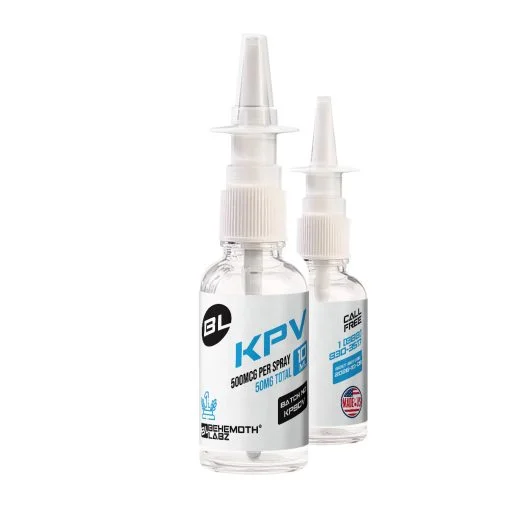
KPV (Lysine-Proline-Valine) Nasal Spray – Product Details KPV is a synthetic peptide derived from the alpha-melanocyte-stimulating hormone family. It exhibits potent anti-inflammatory properties and has diverse applications in research. It has been studied in preclinical models for its effects on inflammation, epithelial tissue responses, wound repair, and tumorigenesis-related pathways. KPV has been investigated for antimicrobial activity against specific pathogens in experimental models. How Does KPV Work? KPV functions at the cellular level, primarily focusing on anti-inflammatory mechanisms, making it a valuable tool for research purposes. Upon entering a cell, KPV directly interacts with specific intracellular signaling molecules, influencing inflammatory pathways. The key mechanisms by which KPV operates include: Inhibition of Key Signaling Pathways KPV targets important intracellular signaling pathways, notably the NF-κB and MAPK cascade pathways. This targeted approach results in a reduction in the synthesis of pro-inflammatory cytokines, which can be crucial for understanding its effects in research settings. Utilization of PepT1 Transporter KPV’s anti-inflammatory action relies on the PepT1 transporter, acting as a delivery system to facilitate access to specific cells. This makes KPV a promising candidate for exploring its impact on cellular responses. Chemical Properties of KPV CAS Number: 67727‑97‑3 Molar Mass: 342.4 g/mol Chemical Structure: C16H30N4O4 Sequence: Lys‑Pro‑Val (Lysine‑Proline‑Valine) — a tripeptide fragment of the C‑terminal of α‑melanocyte‑stimulating hormone (α‑MSH). Synonyms: Lysine‑Proline‑Valine, Lys‑Pro‑Val, α‑MSH(11‑13) KPV Research Antimicrobial Activity in Experimental Models KPV has been investigated in research for its antimicrobial activity against organisms such as S. aureus and C. albicans. Experimental findings indicate that KPV may inhibit microbial colony formation and influence pathways associated with microbial proliferation under controlled in vitro conditions. These observations highlight its relevance in studies focused on host–microbe interactions and antimicrobial mechanisms. Modulation of Inflammatory Pathways in Gastrointestinal Models In preclinical studies, KPV has been examined for its effects on inflammatory signaling in models of intestinal inflammation. Research indicates that it may influence the production and release of proinflammatory cytokines and interact with both epithelial and immune cell pathways. These findings position KPV as a compound of interest in studies exploring mechanisms of inflammation in the gastrointestinal system. Effects on Tissue Repair Mechanisms in Preclinical Systems KPV has been studied in experimental models for its role in cellular processes associated with tissue repair. Findings suggest that it may influence pathways related to inflammation control and microbial response, which are important components of tissue regeneration studies. These observations support its inclusion in research focused on cellular recovery mechanisms following experimentally induced tissue disruption. Influence on Tumorigenesis-Related Pathways Research shows the role of KPV in models related to inflammation-associated tumorigenesis. Experimental data suggest that KPV may modulate inflammatory processes linked to carcinogenic pathways, particularly in colon-related models. Intracellular Anti-Inflammatory Mechanisms KPV has been examined for its intracellular activity in regulating inflammatory signaling pathways. Studies indicate that it may interact with key signaling molecules involved in inflammation and influence downstream responses at the cellular level. This includes potential modulation of transcription-related processes associated with inflammatory mediators. Note: KPV (Lysine–Proline–Valine) is not approved by the FDA for the treatment of any medical condition. It is available strictly for laboratory and research purposes only. Why Buy KPV From Behemoth Labz Behemoth Labz has established itself as a reliable and reputable source for research compounds since 2014. We take pride in offering the highest-quality products that are backed by independent, third-party-issued Certificates of Analysis for identification, purity, and concentration. Our commitment to quality extends to every aspect of our business, from same-day processing to free shipping on all orders over $100 and our satisfaction guarantee. At Behemoth Labz, we understand the importance of having access to the best compounds for research purposes. Our team is dedicated to providing exceptional customer service and ensuring that our customers have access to the compounds they need to conduct groundbreaking research. We also offer international shipping to our customers around the world. Our team is committed to ensuring that your order arrives after research is needed to fully understand its mechanisms of action and potential applications in the treatment of various conditions. Note: To elevate the depth and efficiency of your peptide-based research, explore our specialized lineup of Nasal Sprays designed for cutting-edge investigation. For researchers interested in related compounds, we also offer Ipamorelin Nasal Spray and Melanotan 1 Nasal Sprays. Disclaimer Please make sure you go through the Terms and Conditions, and please familiarize yourself with them as they are important. Please research the scientific uses of this product before making any purchases. Make note that the packaging and labels of the product may differ from those shown on the website. Buying the product means you agree to our Terms and Conditions. You can contact our awesome customer service team at
[email protected] if you are not fully satisfied with the product. ATTENTION: All BehemothLabz products are strictly for LABORATORY AND RESEARCH PURPOSES ONLY. They are not to be used for any human or veterinary purposes. Reference Links Luger, T. A., & Brzoska, T. (2007). -MSH-related peptides: a new class of anti-inflammatory and immunomodulating drugs. Annals of the Rheumatic Diseases, 66(Supplement 3), iii52–iii55. https://doi.org/10.1136/ard.2007.079780 Dalmasso, G., Charrier–Hisamuddin, L., Thu Nguyen, H. T., Yan, Y., Sitaraman, S., & Merlin, D. (2008). PepT1-Mediated Tripeptide KPV Uptake Reduces Intestinal Inflammation. Gastroenterology, 134(1), 166–178. https://doi.org/10.1053/j.gastro.2007.10.026 Revisando tu navegador con reCAPTCHA. (2024). Nih.gov. https://pmc.ncbi.nlm.nih.gov/articles/PMC4957955/ Land, S. C. (2012). Inhibition of cellular and systemic inflammation cues in human bronchial epithelial cells by melanocortin-related peptides: mechanism of KPV action and a role for MC3R agonists. International Journal of Physiology, Pathophysiology and Pharmacology, 4(2), 59. https://pmc.ncbi.nlm.nih.gov/articles/PMC3403564/